




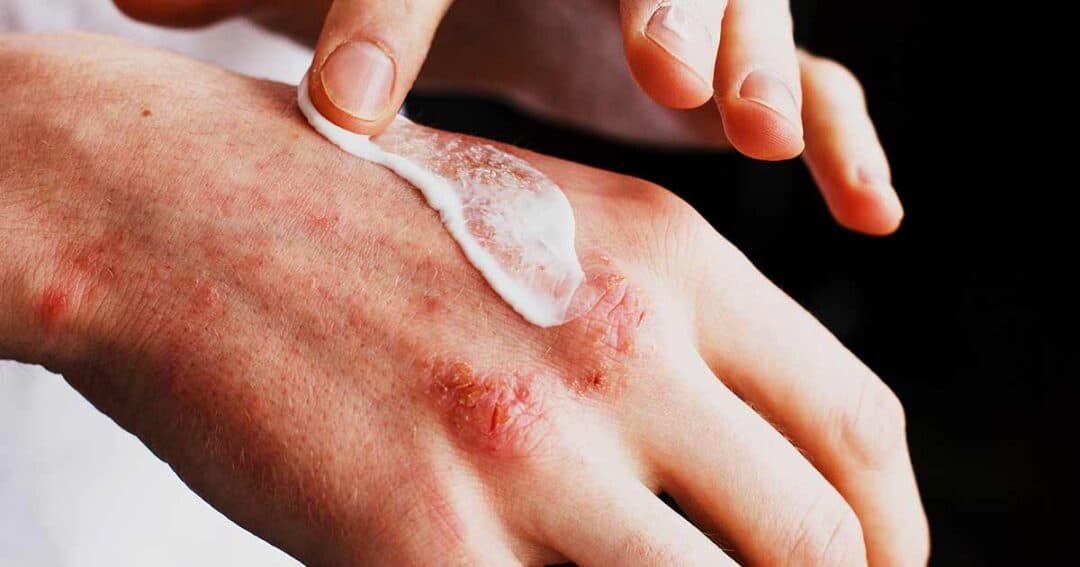

Eczema flare-ups can feel overwhelming. One day your skin seems calm, and the next it’s red, itchy, dry, and irritated. If you live with eczema, you know how uncomfortable and frustrating these flare-ups can be. The good news is that there are many natural ways to calm your skin and reduce symptoms without relying only on strong medications.
- Understanding Eczema Flare-Ups
- 1. Moisturize Often and the Right Way
- 2. Take Lukewarm Oatmeal Baths
- 3. Use Coconut Oil for Natural Healing
- 4. Apply Aloe Vera to Calm Inflammation
- 5. Manage Stress Naturally
- 6. Choose Gentle Skincare Products
- 7. Wear Soft, Breathable Fabrics
- 8. Try Natural Anti-Inflammatory Foods
- 9. Use Honey as a Natural Remedy
- 10. Avoid Scratching (Even Though It’s Hard)
- When to See a Doctor
- Final Thoughts
In this article, we’ll talk about how to treat eczema flare-ups naturally in a simple, practical, and human way. These tips are easy to follow and can fit into your daily routine. Remember, everyone’s skin is different, so it may take some time to discover what works best for you.
Understanding Eczema Flare-Ups
Before learning how to treat eczema flare-ups naturally, it helps to understand what’s happening to your skin.
Eczema (also called atopic dermatitis) is a condition that makes your skin sensitive and inflamed. During a flare-up, you may notice:
- Red or dark patches
- Intense itching
- Dry, cracked skin
- Small bumps or blisters
- Thickened skin after repeated scratching
Flare-ups can be triggered by many things, such as stress, weather changes, harsh soaps, certain foods, allergens, or even fabrics.
Natural treatment focuses on calming inflammation, repairing the skin barrier, and avoiding triggers.
1. Moisturize Often and the Right Way
One of the most important natural remedies for eczema is keeping your skin well moisturized.
Dry skin makes eczema worse. When your skin barrier is weak, it loses moisture and allows irritants to enter easily. This leads to more itching and inflammation.
How to moisturize properly:
- Apply moisturizer right after bathing while your skin is still slightly damp.
- Use thick creams or ointments instead of thin lotions.
- Choose fragrance-free and dye-free products.
- Reapply at least 2–3 times a day during a flare-up.
Natural options like shea butter, coconut oil, and aloe vera gel can help lock in moisture. However, always test a small area first to make sure your skin does not react.
2. Take Lukewarm Oatmeal Baths
Oatmeal is a powerful natural ingredient for calming itchy skin.
Colloidal oatmeal (finely ground oatmeal) has soothing and anti-inflammatory properties. It can reduce redness and relieve itching.
How to use it:
- Add one cup of finely ground oatmeal to lukewarm bathwater.
- Soak for 10–15 minutes.
- Pat your skin dry gently (do not rub).
- Apply moisturizer immediately afterward.
Avoid hot water, as it can strip natural oils and make eczema worse.
3. Use Coconut Oil for Natural Healing
Coconut oil is known for its antibacterial and moisturizing benefits. It contains fatty acids that help repair the skin barrier and reduce dryness.
When your skin cracks, bacteria can enter and cause infection. Coconut oil may help protect the skin naturally.
Tips:
- Use virgin or cold-pressed coconut oil.
- Apply a thin layer to affected areas after bathing.
- Use once or twice daily.
If you have very sensitive skin, patch test first to avoid irritation.
4. Apply Aloe Vera to Calm Inflammation
Aloe vera is famous for soothing burns, but it can also help eczema flare-ups.
It has cooling and anti-inflammatory properties that may reduce redness and itching. Aloe also supports skin healing.
How to use:
- Use pure aloe vera gel (without added alcohol or fragrance).
- Apply a thin layer to irritated areas.
- Let it absorb naturally before adding moisturizer.
Aloe works best for mild flare-ups and irritated patches.
5. Manage Stress Naturally
Stress is one of the biggest triggers for eczema flare-ups. When you are stressed, your body releases hormones that can increase inflammation.
Learning how to manage stress is an important part of treating eczema naturally.
Simple stress-reducing habits:
- Practice deep breathing exercises.
- Try meditation for 5–10 minutes daily.
- Go for short walks outdoors.
- Get enough sleep.
- Write your feelings in a journal.
When your mind is calmer, your skin often follows.
6. Choose Gentle Skincare Products
Harsh soaps and detergents can trigger eczema flare-ups. Switching to gentle products can make a big difference.
What to look for:
- Fragrance-free cleansers
- Hypoallergenic products
- Soap-free body washes
- Mild laundry detergents
Avoid products with alcohol, artificial scents, or strong chemicals. Simpler is usually better when it comes to sensitive skin.
7. Wear Soft, Breathable Fabrics
Clothing can irritate eczema-prone skin.
Rough fabrics like wool or synthetic materials may trigger itching. Tight clothing can trap sweat and increase irritation.
Better choices:
- 100% cotton clothing
- Loose-fitting outfits
- Soft bedding materials
Wash new clothes before wearing them to remove chemicals and dyes.
8. Try Natural Anti-Inflammatory Foods
What you eat can sometimes affect your skin.
While not everyone’s eczema is linked to diet, some people notice flare-ups after eating certain foods.
Anti-inflammatory foods that may help:
- Fatty fish (like salmon)
- Leafy greens
- Berries
- Nuts and seeds
- Olive oil
Drinking plenty of water also keeps your skin hydrated from within.
If you suspect food triggers, consider keeping a food diary to track reactions.
9. Use Honey as a Natural Remedy
Raw honey has natural antibacterial and healing properties. It may help soothe small eczema patches and reduce inflammation.
How to use:
- Apply a thin layer of raw honey to affected areas.
- Leave it on for 20–30 minutes.
- Rinse gently with lukewarm water.
This method works best for small areas rather than large flare-ups.
10. Avoid Scratching (Even Though It’s Hard)
Scratching may feel good for a moment, but it makes eczema worse in the long run. It damages the skin barrier and increases inflammation.
Helpful tricks:
- Keep your nails short.
- Wear cotton gloves at night.
- Use cold compresses to reduce itching.
- Apply moisturizer whenever itching starts.
Breaking the itch-scratch cycle is key to healing.
When to See a Doctor
Natural remedies can be very helpful, but severe flare-ups may need medical treatment. If you notice:
- Oozing or crusting skin
- Signs of infection
- Severe pain
- No improvement after trying natural methods
It’s important to consult a healthcare professional.
Natural care works best as part of a balanced approach.
Final Thoughts
Learning how to treat eczema flare-ups naturally takes patience and consistency. There is no one-size-fits-all solution, but small daily habits can make a big difference.
Moisturizing regularly, using soothing natural ingredients like oatmeal and aloe, managing stress, eating well, and protecting your skin from irritants can all help calm flare-ups.
Be kind to yourself during the process. Eczema can be frustrating, but with the right natural care routine, your skin can feel more comfortable and balanced.
Frequently Asked Questions (FAQs)
1. Can eczema go away naturally?
Eczema does not always completely go away, but symptoms can improve naturally with proper skincare, trigger avoidance, and lifestyle changes. Many people manage flare-ups successfully without strong medications.
2. Is coconut oil safe for eczema?
Yes, many people find coconut oil helpful because it moisturizes and protects the skin. However, always patch test first, as some people may be sensitive to it.
3. How long does an eczema flare-up last?
A flare-up can last from a few days to several weeks, depending on triggers and treatment. Early care and consistent moisturizing can shorten its duration.
4. Does drinking water help eczema?
Drinking water helps maintain overall skin hydration. While it may not cure eczema, staying hydrated supports healthy skin function.
5. What is the fastest natural way to calm eczema itching?
Applying a cold compress, using colloidal oatmeal baths, and moisturizing immediately can quickly reduce itching. Avoid scratching to prevent worsening the flare-up.