




High blood pressure, also known as hypertension, is a common health problem that affects millions of people worldwide. When left unchecked, it can increase the risk of serious conditions like heart disease, stroke, and kidney problems. While medications are effective, many people prefer natural methods to manage their blood pressure safely. The good news is that with the right lifestyle changes and habits, you can lower high blood pressure naturally.
- Understanding High Blood Pressure
- Natural Ways to Lower High Blood Pressure
- 1. Maintain a Healthy Weight
- 2. Eat a Heart-Healthy Diet
- 3. Exercise Regularly
- 4. Reduce Stress
- 5. Limit Alcohol and Quit Smoking
- 6. Increase Potassium Intake
- 7. Limit Caffeine
- 8. Get Quality Sleep
- 9. Try Natural Supplements
- 10. Monitor Your Blood Pressure Regularly
- Lifestyle Summary
- FAQs About Lowering High Blood Pressure Naturally
- Final Thoughts
In this article, we’ll explore effective, science-backed ways to manage blood pressure, all in simple language you can easily follow.
Understanding High Blood Pressure
Before we dive into natural remedies, it’s important to understand what high blood pressure is. Blood pressure is the force of blood pushing against the walls of your arteries as your heart pumps. It’s measured in millimeters of mercury (mmHg) and recorded as two numbers:
- Systolic pressure – the top number, measuring pressure when your heart beats.
- Diastolic pressure – the bottom number, measuring pressure when your heart rests between beats.
A normal blood pressure reading is around 120/80 mmHg. If your readings consistently exceed 130/80 mmHg, you may have high blood pressure.
High blood pressure often has no obvious symptoms, which is why it’s called a “silent killer.” This makes regular monitoring crucial.
Natural Ways to Lower High Blood Pressure
1. Maintain a Healthy Weight
Being overweight puts extra strain on your heart and arteries, which can increase blood pressure. Losing even a small amount of weight—5-10% of your body weight—can significantly lower blood pressure.
Tips for weight management:
- Eat smaller portions and avoid late-night snacking.
- Include plenty of fruits, vegetables, and whole grains in your diet.
- Engage in regular physical activity (at least 30 minutes a day).
2. Eat a Heart-Healthy Diet
What you eat has a direct impact on your blood pressure. Diets high in salt, processed foods, and unhealthy fats can raise blood pressure, while diets rich in nutrients can lower it naturally.
The DASH diet (Dietary Approaches to Stop Hypertension) is widely recommended. Key principles include:
- More fruits and vegetables.
- Whole grains instead of refined grains.
- Lean protein sources like fish, chicken, beans, and lentils.
- Low-fat dairy products.
- Reduced salt intake.
Tip: Limit sodium to less than 1,500 mg per day. Even small reductions can improve blood pressure.
3. Exercise Regularly
Physical activity strengthens your heart, allowing it to pump blood with less effort. This reduces the pressure in your arteries.
Effective exercises for lowering blood pressure:
- Brisk walking or jogging (30–60 minutes, most days).
- Swimming or cycling.
- Strength training 2–3 times a week.
Consistency is key. Even simple activities like climbing stairs or gardening can make a difference.
4. Reduce Stress
Chronic stress can contribute to high blood pressure. While some stress is unavoidable, managing it effectively can help your heart.
Stress management techniques:
- Deep breathing exercises – take slow, deep breaths for 5–10 minutes.
- Meditation or yoga – focus on mindfulness to relax your mind.
- Spending time outdoors – nature walks or sunlight exposure can calm your nervous system.
- Hobbies – reading, painting, or listening to music.
5. Limit Alcohol and Quit Smoking
Alcohol and tobacco both raise blood pressure and damage blood vessels over time.
Guidelines:
- Men: No more than 2 drinks per day.
- Women: No more than 1 drink per day.
- Ideally, quitting smoking entirely is best for blood pressure and overall health.
6. Increase Potassium Intake
Potassium helps balance sodium levels in the body, easing pressure on blood vessels. Many people don’t get enough potassium in their diet.
Foods high in potassium:
- Bananas, oranges, and melons.
- Potatoes and sweet potatoes.
- Spinach, broccoli, and beans.
- Yogurt and low-fat dairy.
7. Limit Caffeine
Caffeine can cause a temporary spike in blood pressure. While the effect is usually short-term, people with high blood pressure should monitor their intake.
Tips:
- Replace some coffee with herbal tea.
- Avoid energy drinks.
- Monitor how caffeine affects your readings.
8. Get Quality Sleep
Poor sleep or sleep disorders like sleep apnea can raise blood pressure. Good sleep supports heart health and overall wellness.
Sleep hygiene tips:
- Stick to a regular sleep schedule.
- Create a dark, quiet, and cool sleeping environment.
- Avoid screens and heavy meals before bedtime.
9. Try Natural Supplements
Some natural supplements have been shown to help lower blood pressure:
- Garlic – can relax blood vessels.
- Omega-3 fatty acids – found in fish oil, reduce inflammation and improve heart health.
- Hibiscus tea – studies suggest it may help reduce systolic and diastolic pressure.
Caution: Always consult a healthcare professional before starting supplements, especially if you take medication.
10. Monitor Your Blood Pressure Regularly
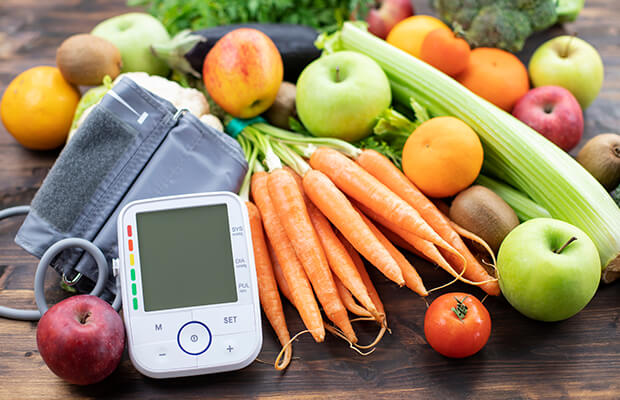
Regular monitoring helps you understand what works best for your body. Home blood pressure monitors are easy to use and can help you track progress.
Tip: Record your readings daily at the same time to see trends. Bring this log to your doctor for better guidance.
Lifestyle Summary
Lowering high blood pressure naturally requires a combination of lifestyle changes. Here’s a simple summary:
- Maintain a healthy weight.
- Follow a heart-healthy diet (like DASH).
- Exercise regularly.
- Manage stress effectively.
- Limit alcohol and quit smoking.
- Increase potassium intake.
- Moderate caffeine.
- Get quality sleep.
- Consider safe supplements.
- Monitor your blood pressure regularly.
Consistency is key. Even small changes can have a big impact over time.
FAQs About Lowering High Blood Pressure Naturally
1. How long does it take to lower blood pressure naturally?
It depends on the individual. Some may see improvements within a few weeks of consistent lifestyle changes, while for others, it may take a few months. Combining multiple strategies usually works faster.
2. Can exercise alone lower blood pressure?
Yes, regular exercise can significantly lower blood pressure, but it works best in combination with a healthy diet, stress management, and other lifestyle changes.
3. Is it safe to stop blood pressure medication if I lower it naturally?
Never stop prescribed medication without consulting your doctor. Natural methods can complement medication, but adjustments should be supervised by a healthcare professional.
4. Which foods should I avoid to lower blood pressure?
Avoid processed foods high in salt, sugar, and unhealthy fats. Limit canned foods, fast food, and sugary drinks.
5. Can stress really raise blood pressure?
Yes. Chronic stress can temporarily and sometimes permanently raise blood pressure. Managing stress with meditation, deep breathing, or hobbies can help reduce it.
Final Thoughts
High blood pressure doesn’t have to control your life. By making gradual, sustainable changes in diet, exercise, and lifestyle, you can lower your blood pressure naturally and improve your overall heart health. The key is consistency—small steps every day lead to big results over time.
Start today with one or two changes, like reducing salt or going for a daily walk, and gradually build healthier habits. Your heart will thank you!