




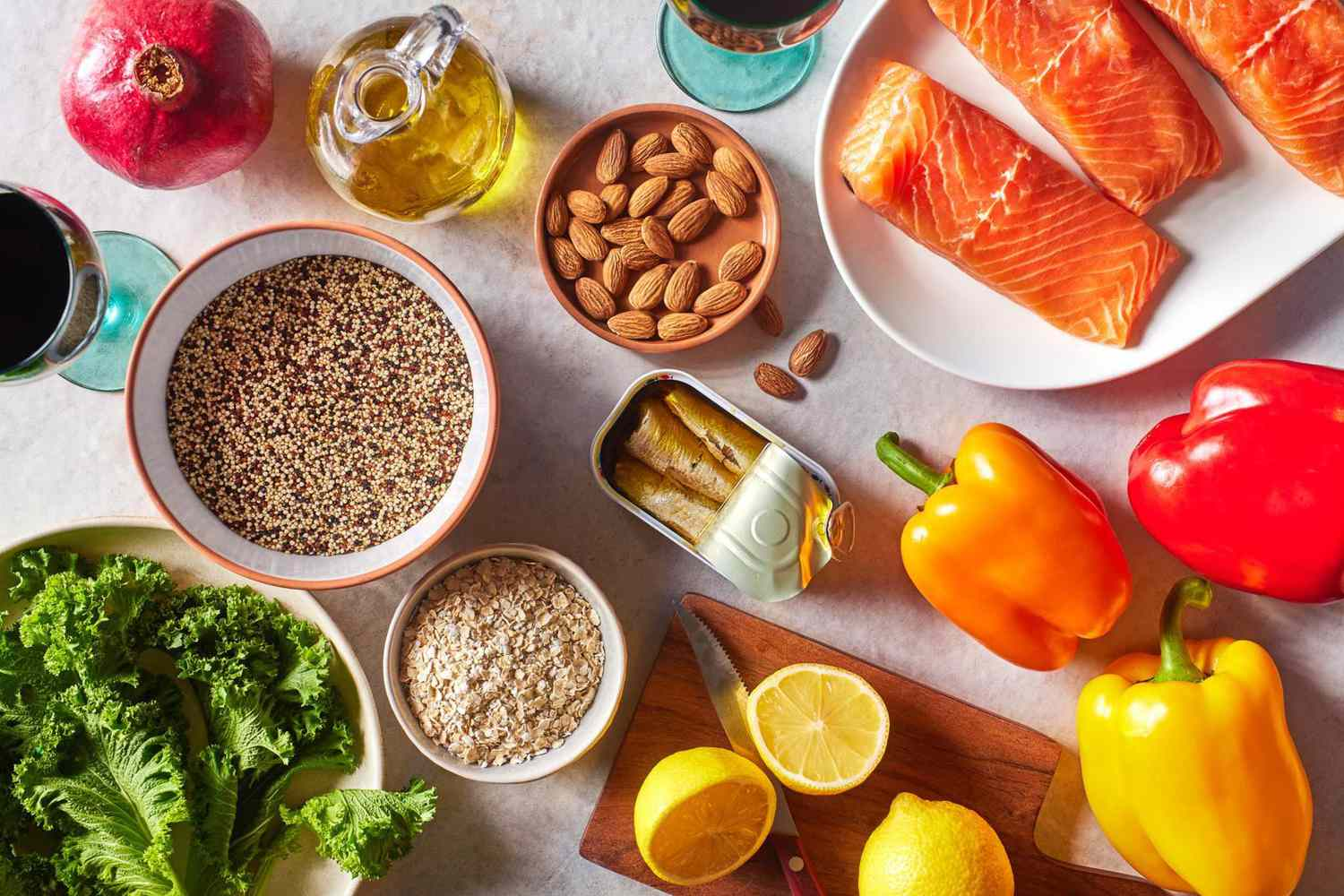

Your heart is one of the most important organs in your body. It works tirelessly to pump blood, oxygen, and nutrients to every part of your body. Because of its crucial role, maintaining a healthy heart is essential for a long, energetic life. One of the most powerful tools for heart health is your diet. What you eat can either protect your heart or put it at risk.
In this article, we will explore the best diet for heart health, including which foods to eat, which to avoid, and practical tips to make your diet heart-friendly. We’ll also answer common questions to help you make informed choices.
Why Diet Matters for Heart Health
Heart disease is the leading cause of death worldwide. Factors like high cholesterol, high blood pressure, obesity, and diabetes increase your risk of heart problems. The foods you eat play a major role in influencing these risk factors.
A heart-healthy diet can:
- Lower bad cholesterol (LDL)
- Increase good cholesterol (HDL)
- Reduce inflammation in blood vessels
- Maintain healthy blood pressure
- Support a healthy weight
Basically, what goes on your plate directly affects your heart’s health.
Key Principles of a Heart-Healthy Diet
While there isn’t a one-size-fits-all diet, most heart-healthy eating patterns follow a few key principles:
- Eat More Fruits and Vegetables
Fruits and vegetables are rich in vitamins, minerals, fiber, and antioxidants. These nutrients help reduce inflammation and protect the arteries. Aim for at least 4–5 servings of vegetables and 2–3 servings of fruit daily. - Choose Whole Grains
Whole grains, like oats, quinoa, brown rice, and whole wheat bread, are high in fiber. Fiber helps lower cholesterol levels and keeps your digestive system healthy. Avoid refined grains like white bread, white rice, and pastries, which can increase blood sugar and cholesterol. - Include Healthy Fats
Not all fats are bad. Healthy fats, such as those found in olive oil, avocado, nuts, and fatty fish, can improve heart health. They reduce bad cholesterol and inflammation. Limit saturated fats (found in red meat, butter, and cheese) and avoid trans fats (found in fried and packaged foods). - Eat Lean Protein
Protein is essential, but the source matters. Opt for lean proteins like skinless poultry, fish, beans, lentils, and tofu. Fatty fish like salmon, mackerel, and sardines are especially beneficial because they contain omega-3 fatty acids, which help lower the risk of heart disease. - Limit Added Sugars and Salt
Too much sugar and salt can harm your heart. Added sugar can raise triglycerides and lead to obesity, while excess sodium can increase blood pressure. Avoid sugary drinks, sweets, and processed foods high in salt. - Stay Hydrated
Drinking enough water helps maintain blood pressure and supports overall cardiovascular health. Herbal teas and water-rich fruits and vegetables are good options.
Best Foods for Heart Health
Here’s a list of foods you should include in your heart-healthy diet:
- Berries: Blueberries, strawberries, and raspberries are rich in antioxidants called flavonoids, which protect your arteries.
- Leafy Greens: Spinach, kale, and Swiss chard are high in vitamins and minerals that support heart function.
- Oats and Barley: These grains contain soluble fiber, which lowers cholesterol.
- Nuts and Seeds: Almonds, walnuts, chia seeds, and flaxseeds provide healthy fats and fiber.
- Legumes: Beans, lentils, and chickpeas help control blood sugar and cholesterol.
- Fatty Fish: Salmon, mackerel, sardines, and trout are rich in omega-3 fatty acids.
- Olive Oil: A great substitute for butter or margarine, olive oil contains heart-friendly monounsaturated fats.
- Dark Chocolate: In moderation, dark chocolate with at least 70% cocoa may help improve blood flow and reduce inflammation.
Foods to Limit or Avoid
Some foods can increase the risk of heart disease and should be eaten sparingly:
- Red and Processed Meats: Bacon, sausages, and fatty cuts of beef and pork can raise cholesterol.
- Sugary Drinks: Soda, sweetened juices, and energy drinks increase blood sugar and weight gain.
- Fried Foods: High in trans fats and calories, fried foods are bad for the heart.
- Refined Grains: White bread, pastries, and pasta lack fiber and can spike blood sugar.
- Excess Salt: Canned foods, frozen meals, and fast food often contain hidden sodium.
Heart-Healthy Eating Patterns
Certain eating patterns are proven to benefit heart health. Two of the most recommended are:
- Mediterranean Diet
- Focuses on fruits, vegetables, whole grains, nuts, and olive oil.
- Includes moderate fish and poultry.
- Reduces red meat and sugary foods.
- DASH Diet (Dietary Approaches to Stop Hypertension)
- Emphasizes fruits, vegetables, whole grains, and low-fat dairy.
- Limits saturated fat and sodium.
- Proven to lower blood pressure and cholesterol.
Both diets are flexible, sustainable, and easy to follow in everyday life.
Practical Tips to Follow a Heart-Healthy Diet
- Plan your meals: Preparing healthy meals in advance helps avoid unhealthy choices.
- Cook at home: Homemade meals are usually lower in salt, sugar, and unhealthy fats.
- Read labels: Check for added sugars, sodium, and trans fats.
- Portion control: Even healthy foods can lead to weight gain if portions are too large.
- Gradual changes: Start by adding more vegetables or switching to whole grains. Small steps last longer than drastic changes.
Lifestyle Factors That Complement a Healthy Diet
While diet is vital, lifestyle choices also matter:
- Exercise regularly: Aim for at least 30 minutes of moderate activity most days.
- Manage stress: Meditation, yoga, or hobbies can reduce heart strain.
- Sleep well: 7–9 hours of quality sleep supports heart function.
- Avoid smoking: Smoking damages blood vessels and increases heart disease risk.
- Limit alcohol: Moderate drinking may be okay, but excess alcohol harms the heart.
Conclusion
A heart-healthy diet is not about strict rules or deprivation. It’s about making choices that nourish your heart, lower risk factors, and support overall well-being. By eating more fruits, vegetables, whole grains, healthy fats, and lean proteins while limiting sugar, salt, and processed foods, you can protect your heart and enjoy delicious meals. Pairing a good diet with exercise, stress management, and healthy habits will give your heart the best chance at a long, strong life.
FAQs About Heart-Healthy Diet
1. Can a heart-healthy diet reverse heart disease?
While a healthy diet cannot completely reverse heart disease, it can slow its progression, reduce symptoms, and prevent further damage. Combined with medication and lifestyle changes, it significantly improves heart health.
2. How much fish should I eat for heart health?
Aim for at least two servings of fatty fish per week, such as salmon, sardines, or mackerel, to get enough omega-3 fatty acids.
3. Are eggs bad for the heart?
Moderate egg consumption (about 3–7 eggs per week) is generally safe for most people. They are rich in protein and nutrients, but limit added saturated fats like butter when cooking them.
4. Is a vegetarian diet good for the heart?
Yes. A well-planned vegetarian diet high in fruits, vegetables, whole grains, legumes, and nuts can significantly reduce heart disease risk.
5. Can drinking tea or coffee benefit heart health?
Moderate consumption of green tea or black coffee may provide antioxidants that support heart health. Avoid adding too much sugar or cream.