




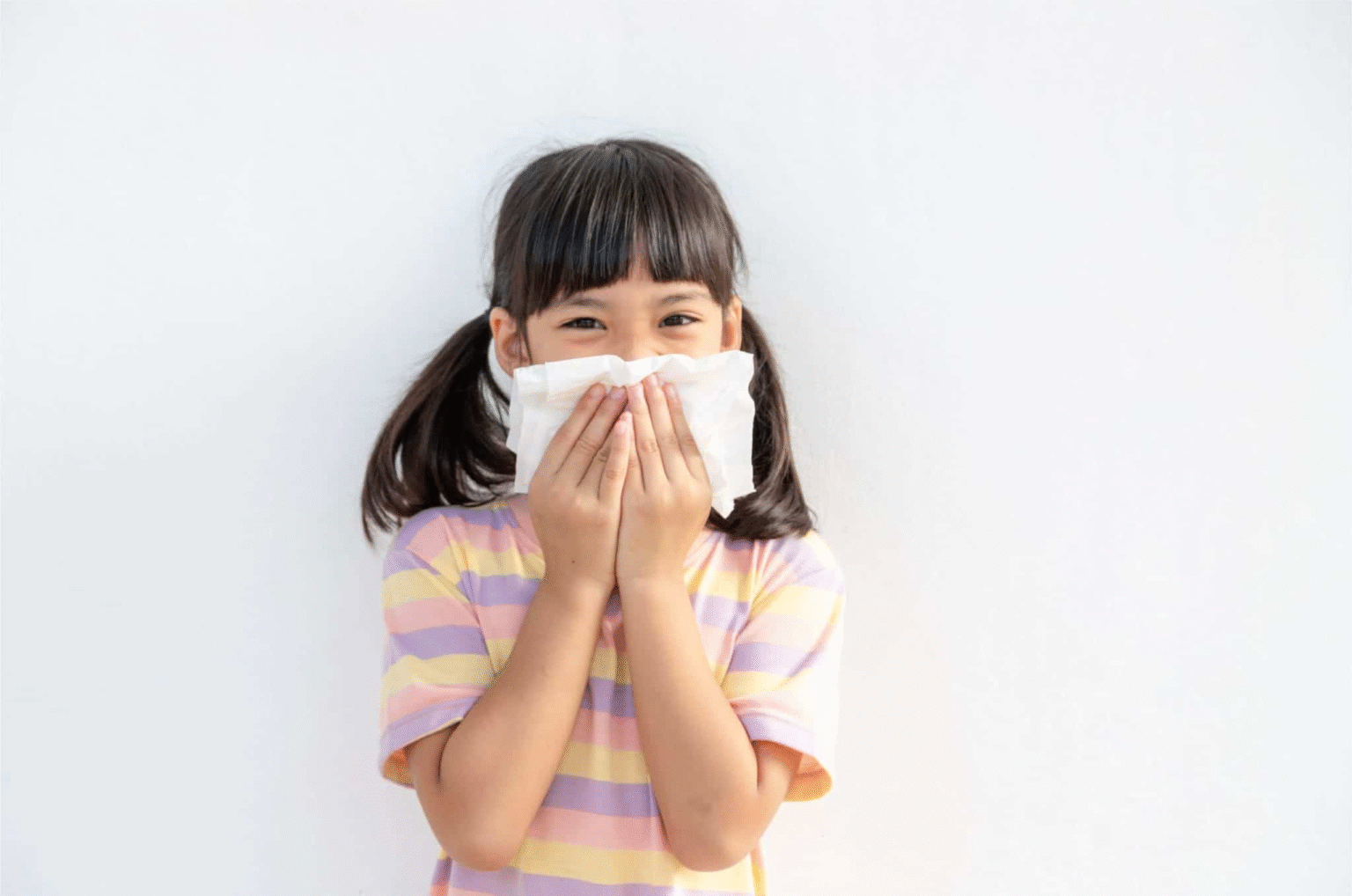

Childhood is a beautiful stage of life, full of learning, exploration, and play. But it is also a time when children are more susceptible to illnesses because their immune systems are still developing. Parents and caregivers often worry when their child shows signs of sickness, but understanding common childhood illnesses and their treatments can make managing these conditions less stressful. This article aims to provide clear, simple guidance for parents on recognizing, managing, and treating some of the most common childhood illnesses.
1. Common Cold
The common cold is perhaps the most frequent illness in children. It is caused by viruses, and children can catch it multiple times a year. Symptoms include a runny or stuffy nose, sneezing, mild fever, cough, and sometimes a sore throat.
Treatment:
- Encourage rest and plenty of fluids.
- Use saline nasal drops to relieve congestion.
- Offer age-appropriate fever reducers if necessary.
- Avoid antibiotics, as colds are caused by viruses and antibiotics are not effective.
Prevention: Frequent handwashing, avoiding close contact with sick individuals, and maintaining a clean environment can help reduce the risk.
2. Flu (Influenza)
Influenza is a viral infection that is more severe than a common cold. Symptoms include high fever, body aches, fatigue, headache, cough, and sore throat. Children under five, especially those under two, are at higher risk of complications.
Treatment:
- Ensure the child gets plenty of rest.
- Offer fluids to prevent dehydration.
- Over-the-counter medications can help reduce fever and body aches (consult a pediatrician first).
- Antiviral medications may be prescribed in some cases, particularly if treatment starts early.
Prevention: Annual flu vaccination is highly recommended for children.
3. Ear Infections
Ear infections are very common in young children, often following a cold or flu. Symptoms include ear pain, fever, irritability, trouble sleeping, and sometimes fluid draining from the ear.
Treatment:
- Pain can be managed with recommended pediatric pain relievers.
- Warm compresses over the affected ear may help relieve discomfort.
- Antibiotics are prescribed only if the infection is bacterial or symptoms are severe.
Prevention: Minimize exposure to secondhand smoke, ensure children are up to date on vaccinations, and breastfeeding can also reduce the risk of ear infections.
4. Chickenpox (Varicella)
Chickenpox is a highly contagious viral infection, recognizable by its itchy red rash and small blisters. Other symptoms may include fever, fatigue, and loss of appetite.
Treatment:
- Keep the child comfortable with rest and fluids.
- Over-the-counter antihistamines or calamine lotion can help reduce itching.
- Avoid scratching to prevent infections.
- Severe cases may require antiviral medications under a doctor’s supervision.
Prevention: The chickenpox vaccine is highly effective in preventing infection.
5. Gastroenteritis (Stomach Flu)
Gastroenteritis is an infection of the stomach and intestines, often caused by viruses, bacteria, or parasites. Children usually experience diarrhea, vomiting, stomach pain, and sometimes fever.
Treatment:
- Keep the child hydrated with oral rehydration solutions.
- Offer bland foods like rice, bananas, and toast when they can eat.
- Avoid sugary drinks or dairy if they worsen diarrhea.
- Seek medical help if dehydration is suspected or symptoms persist.
Prevention: Teach children proper handwashing, avoid sharing utensils, and ensure food is prepared safely.
6. Hand, Foot, and Mouth Disease
This viral illness is common in children under five. It causes sores in the mouth and a rash on the hands and feet, often accompanied by fever and irritability.
Treatment:
- Keep the child hydrated with water or electrolyte drinks.
- Offer soft foods to reduce discomfort from mouth sores.
- Pain and fever can be managed with pediatric-approved medications.
- The disease usually resolves on its own in 7-10 days.
Prevention: Good hygiene practices, such as frequent handwashing and disinfecting toys, help reduce the spread.
7. Asthma in Children
Asthma is a chronic condition where the airways become inflamed, causing difficulty breathing, wheezing, and coughing. While not an infection, asthma attacks can be triggered by viruses, allergens, or exercise.
Treatment:
- Use inhalers as prescribed by a pediatrician.
- Keep track of triggers and avoid them whenever possible.
- Regular check-ups are essential to manage the condition.
- In severe cases, emergency medical care may be needed.
Prevention: Avoid smoke exposure and allergens, and ensure vaccinations are up to date to reduce infection-related triggers.
8. Fever
Fever is a symptom rather than a disease, often accompanying many childhood illnesses. A mild fever can help the body fight infections, but high or persistent fever requires attention.
Treatment:
- Ensure the child is comfortable and hydrated.
- Administer pediatric fever reducers if necessary.
- Monitor the child for additional symptoms.
When to Seek Help: Immediate medical care is needed if the fever is very high, lasts more than a few days, or is accompanied by unusual behavior, difficulty breathing, or seizures.
General Tips for Parents
- Monitor Symptoms: Keep a record of fever, appetite, sleep patterns, and other symptoms.
- Hydration and Nutrition: Children recover faster when they stay hydrated and eat balanced meals.
- Vaccinations: Keep up with routine immunizations to prevent serious illnesses.
- Hygiene: Teach children proper handwashing and respiratory hygiene.
- Seek Medical Advice: Don’t hesitate to consult a pediatrician if symptoms worsen or persist.
FAQs
1. When should I take my child to the doctor for a common illness?
Seek medical care if your child has high fever, persistent vomiting, difficulty breathing, severe pain, unusual rashes, or symptoms that last longer than a few days.
2. Are antibiotics necessary for childhood illnesses?
Most childhood illnesses like colds, flu, and viral infections do not require antibiotics. Antibiotics are only effective for bacterial infections.
3. How can I prevent my child from getting sick often?
Ensure vaccinations are up to date, encourage handwashing, avoid contact with sick individuals, maintain a clean environment, and promote a healthy diet.
4. Can over-the-counter medicines be given to children?
Yes, but always follow pediatric guidelines. Avoid giving adult medications, and check dosage carefully according to your child’s age and weight.
5. Is it normal for children to catch multiple illnesses in a year?
Yes. Children’s immune systems are still developing, so it is common for them to get sick several times a year. Most illnesses are mild and manageable at home.
Childhood illnesses are a natural part of growing up. While they can be stressful for parents, understanding their symptoms, treatments, and preventive measures helps ch