





In today’s fast-paced world, stress seems to follow us everywhere. Between long work hours, family responsibilities, and the endless scrolling on our phones, our bodies often feel tight, sore, and exhausted. That’s where massages come in. They’re not just a luxury—they can be an essential part of taking care of yourself. But one question many people ask is: how often should you get a massage? The answer isn’t the same for everyone, and it depends on your lifestyle, health, and goals. Let’s explore it in detail.
Why Massage Matters
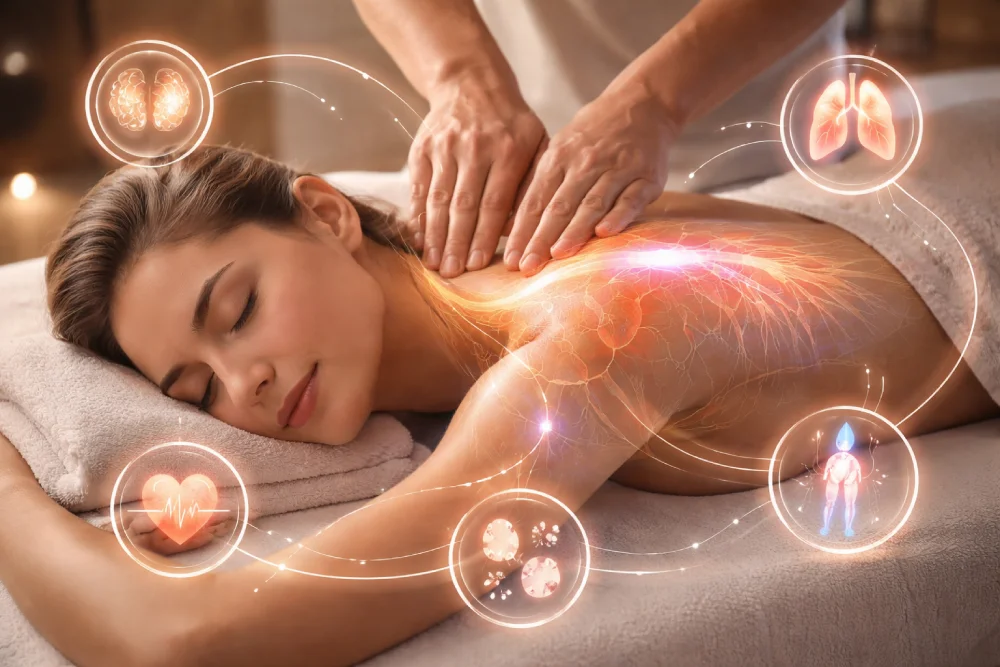
Before diving into frequency, it’s important to understand why massages are so beneficial. Massage therapy isn’t just about relaxation (though that’s a big part of it). It also:
- Relieves Muscle Tension: Regular massage can reduce stiffness and soreness, especially in areas like the neck, shoulders, and back.
- Reduces Stress and Anxiety: Massage helps lower cortisol (the stress hormone) while increasing serotonin and dopamine, improving mood.
- Improves Circulation: Enhanced blood flow brings oxygen and nutrients to muscles and joints, helping them recover faster.
- Boosts Flexibility and Range of Motion: Athletes and active individuals often use massage to keep their bodies performing optimally.
- Supports Pain Management: For chronic pain conditions like arthritis or fibromyalgia, massage can provide meaningful relief.
Knowing these benefits makes it clear why regular massage can be a valuable part of your self-care routine.
Factors That Influence Massage Frequency
There isn’t a one-size-fits-all answer to how often you should get a massage. Here are the main factors that influence it:
1. Your Health Goals
- Relaxation and Stress Relief: If your goal is simply to relax and reduce stress, getting a massage once every 2-4 weeks can be enough.
- Chronic Pain or Injury Recovery: If you have persistent muscle pain, tension, or are recovering from an injury, more frequent sessions—once or twice a week—may be beneficial.
- Athletic Performance: Athletes often get massages multiple times a week, especially during training or competition seasons, to prevent injuries and improve performance.
2. Your Budget and Schedule
While massages are great, they can be costly. It’s important to choose a frequency that works for your wallet and schedule. Some people do shorter, more affordable sessions (like 30 minutes) weekly, while others opt for longer sessions monthly.
3. Your Body’s Response
Everyone responds differently to massage. Some people feel relaxed and energized after just one session, while others need a few sessions to notice significant benefits. Pay attention to how your body reacts and adjust your frequency accordingly.
4. Type of Massage
Different types of massages may require different schedules:
- Swedish Massage: Gentle and relaxing. Once every 2-4 weeks is often sufficient for general well-being.
- Deep Tissue Massage: Targets deeper muscles and tension. May be needed weekly for those with chronic pain or tight muscles.
- Sports Massage: Focused on athletic performance, often done weekly or more during intense training periods.
- Trigger Point Therapy: Works on specific painful areas, which might require frequent short sessions until the pain decreases.
Recommended Massage Frequency
Based on various goals and lifestyles, here’s a general guideline for how often you should get a massage:
| Goal / Lifestyle | Recommended Frequency |
|---|---|
| Stress Relief / Relaxation | Every 2-4 weeks |
| Chronic Pain / Muscle Tension | 1-2 times per week |
| Post-Injury Recovery | 2-3 times per week (with doctor approval) |
| Athletes / High Physical Activity | 1-3 times per week |
| Preventive / Maintenance | Once a month |
These are general suggestions, and it’s important to listen to your body. If you feel sore or tense between sessions, you might need more frequent massages.
Signs You Might Need More Frequent Massages
Even if you have a set schedule, your body sometimes gives signals that it needs extra care. Watch for these signs:
- Persistent muscle tension or soreness
- Headaches caused by tight neck and shoulders
- Difficulty sleeping or feeling constantly stressed
- Limited flexibility or stiffness in joints
- Recovery time from workouts is longer than usual
If you notice these signs, consider increasing your massage frequency temporarily.
At-Home Alternatives Between Massages
Massages don’t always have to happen in a spa or clinic. There are ways to care for your muscles at home between professional sessions:
- Foam Rolling: Helps release tight muscles and improves circulation.
- Stretching: Regular stretching can reduce tension and improve flexibility.
- Self-Massage Tools: Massage balls or handheld massagers can target sore spots.
- Warm Baths or Heat Therapy: Soothes muscle soreness and promotes relaxation.
Combining at-home techniques with professional massage sessions can help maintain your well-being without breaking the bank.
The Mental Benefits of Regular Massage
While much of the focus is on physical health, massage also provides strong mental benefits:
- Improved Mood: Regular massage can decrease anxiety and depressive symptoms.
- Better Sleep: Relaxation from massage can help with insomnia and improve sleep quality.
- Mind-Body Connection: Spending time caring for your body encourages mindfulness and reduces overall stress.
These mental benefits show that massage is not just a luxury—it’s an investment in your overall health.
Tips for Making the Most of Your Massage
To ensure each session is as effective as possible:
- Communicate with Your Therapist: Let them know your goals, areas of tension, and any injuries.
- Hydrate: Drinking water before and after a massage helps flush out toxins released during the session.
- Stretch After Massage: Gentle stretching can help maintain flexibility and prevent tightness from returning.
- Schedule Regularly: Treat massage like an important appointment, not just an occasional treat.
- Listen to Your Body: If something feels too intense or uncomfortable, speak up.
Conclusion
So, how often should you get a massage? The truth is, it depends on your body, goals, and lifestyle. For general relaxation, once a month or every 2-4 weeks works well. For chronic pain, muscle recovery, or athletic performance, weekly sessions may be necessary. By paying attention to your body, being consistent, and combining professional sessions with at-home care, you can maximize the benefits of massage therapy.
Remember, massage isn’t just about luxury—it’s about taking care of yourself, both physically and mentally. Your body works hard every day, and giving it the attention it deserves can help you feel healthier, happier, and more balanced.
FAQs About Massage Frequency
1. Is it bad to get a massage too often?
Not usually, as long as your body tolerates it. Overdoing deep tissue massages without recovery may cause soreness or bruising, so balance is key.
2. Can massage replace exercise?
No, massage complements exercise but does not replace it. Regular physical activity is essential for strength, cardiovascular health, and flexibility.
3. How long does a massage’s effect last?
The immediate relaxation lasts a few days, but benefits like reduced muscle tension can last 1-2 weeks depending on your body and lifestyle.
4. Are there health conditions where massage is not recommended?
Yes, people with certain conditions (like deep vein thrombosis, severe osteoporosis, or infections) should consult a doctor before massage.
5. What is the best time of day for a massage?
It depends. Morning massages can energize you, while evening sessions help with relaxation and sleep. Choose what aligns with your goals.