




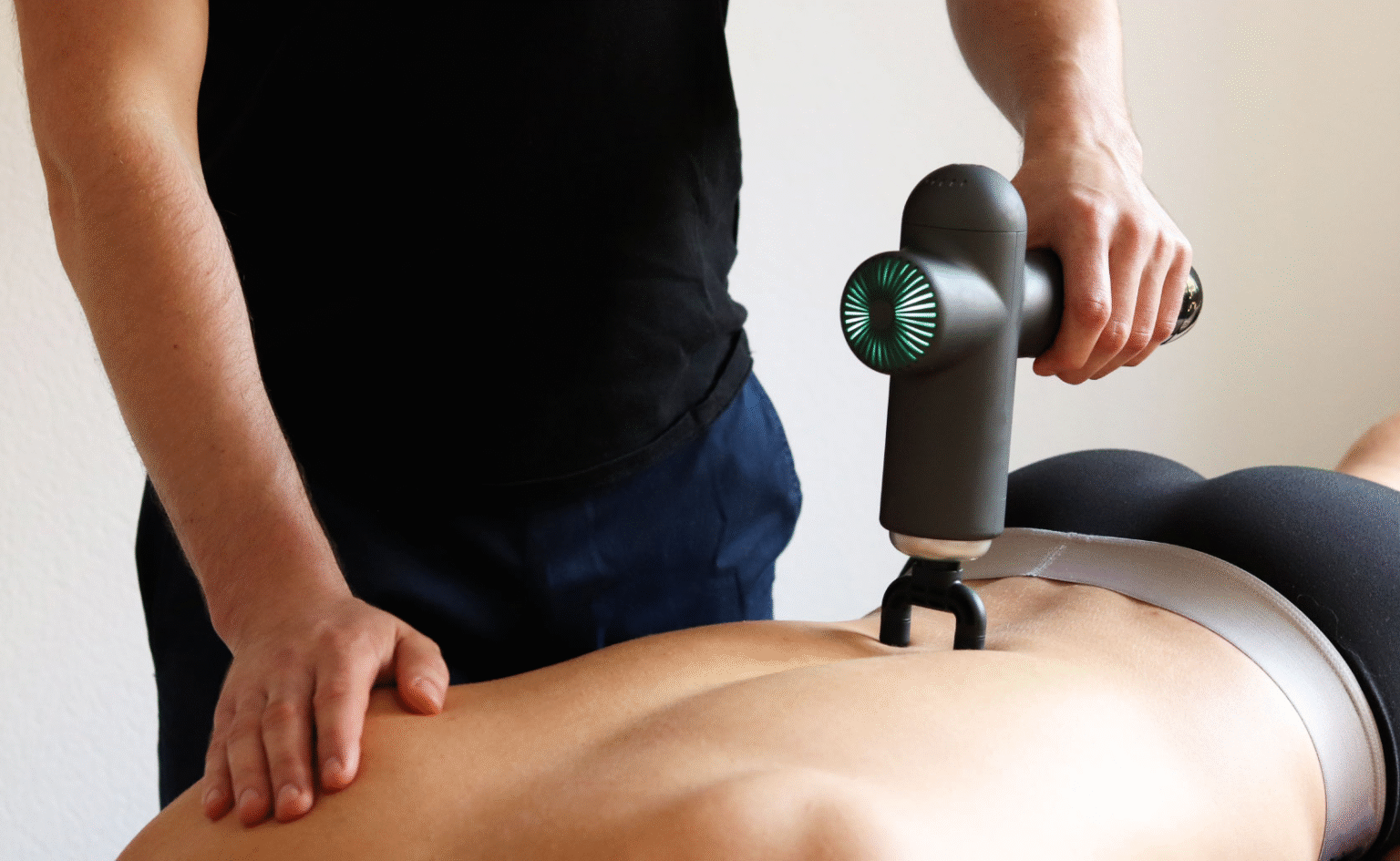

Lower back pain is one of the most common health complaints worldwide. Whether caused by poor posture, injury, stress, or everyday strain, it can affect anyone at any age. While medications and surgery are often suggested, many people are now turning to a natural, drug-free approach: chiropractic treatment.
- Understanding Lower Back Pain
- What Is Chiropractic Treatment?
- How Chiropractic Treatment Helps Lower Back Pain
- What to Expect During a Chiropractic Visit
- Benefits of Chiropractic Treatment for Lower Back Pain
- Safety and Considerations
- Lifestyle Tips to Support Chiropractic Care
- Frequently Asked Questions (FAQs)
- Conclusion
Chiropractic care focuses on diagnosing and treating musculoskeletal problems, especially those involving the spine. Chiropractors believe that the spine plays a central role in overall health and that aligning it properly can help the body heal itself. In this article, we will explore how chiropractic treatment works for lower back pain, what to expect, its benefits, and address some frequently asked questions.
Understanding Lower Back Pain
Before diving into chiropractic care, it’s essential to understand the problem. The lower back, or lumbar region, bears the weight of the upper body and is prone to stress and injury. Common causes of lower back pain include:
- Muscle or ligament strain: Overstretching or tearing can cause pain.
- Herniated or slipped discs: When discs between vertebrae press on nerves, they cause discomfort.
- Arthritis: Osteoarthritis can affect the lower spine, leading to stiffness and pain.
- Poor posture: Sitting or standing incorrectly for long periods strains the back.
- Inactivity: Weak muscles from a sedentary lifestyle make the back more susceptible to pain.
Lower back pain can range from mild discomfort to severe pain that limits mobility. The goal of chiropractic treatment is to reduce pain, improve function, and prevent future problems.
What Is Chiropractic Treatment?
Chiropractic treatment is a hands-on, drug-free approach that focuses on the spine, muscles, and joints. Chiropractors are trained professionals who assess posture, spinal alignment, and movement patterns. They use various techniques to restore proper alignment and function.
The most common method is spinal manipulation, also called an adjustment. During an adjustment, the chiropractor applies controlled pressure to a joint to improve mobility, reduce pain, and support natural healing.
Other techniques may include:
- Soft tissue therapy: Massaging or stretching muscles to relieve tension.
- Exercise guidance: Specific exercises to strengthen the back and improve flexibility.
- Lifestyle advice: Recommendations for posture, ergonomics, and healthy habits.
Chiropractic care takes a holistic approach, aiming to treat the root cause of the pain rather than just the symptoms.
How Chiropractic Treatment Helps Lower Back Pain
Chiropractic treatment works by addressing the underlying issues that contribute to lower back pain. Here’s how it helps:
- Reduces Pressure on Nerves
Misaligned vertebrae can compress spinal nerves, leading to pain, tingling, or numbness. Adjustments help restore proper alignment and relieve nerve pressure. - Improves Range of Motion
Stiff joints and muscles can limit movement. Chiropractic adjustments and stretching exercises increase flexibility and make daily activities easier. - Enhances Blood Flow
Proper alignment improves circulation, which helps muscles and tissues heal faster. - Strengthens Muscles
Chiropractors often recommend exercises to strengthen the back and core muscles, providing better support for the spine. - Promotes Natural Healing
By removing interference in the spine and supporting healthy movement, chiropractic care encourages the body’s self-healing abilities.
What to Expect During a Chiropractic Visit
Visiting a chiropractor is straightforward and non-invasive. Here’s what typically happens:
- Initial Consultation
The chiropractor will ask about your medical history, lifestyle, and specific symptoms. They may perform physical exams and imaging tests like X-rays to understand your condition. - Treatment Plan
Based on your assessment, the chiropractor will create a personalized plan, including adjustments, exercises, and lifestyle advice. - Adjustment Sessions
During adjustments, you may hear a popping sound, which is normal and indicates joint movement. Most patients feel relief immediately, though multiple sessions may be needed. - Follow-Up and Maintenance
Chiropractic care often involves regular sessions initially, followed by maintenance visits to prevent recurring pain.
Benefits of Chiropractic Treatment for Lower Back Pain
Chiropractic care offers numerous benefits beyond pain relief:
- Non-invasive and drug-free: It avoids the risks of surgery and medication side effects.
- Targeted treatment: Focuses on the exact area causing pain.
- Improved posture: Corrects spinal misalignment that may contribute to chronic issues.
- Holistic health support: Encourages overall wellness through exercise, nutrition, and lifestyle changes.
- Preventive care: Regular adjustments can reduce the likelihood of future back pain.
Safety and Considerations
Chiropractic treatment is generally safe when performed by a licensed professional. However, it may not be suitable for everyone. Individuals with severe osteoporosis, spinal infections, fractures, or certain neurological conditions should consult a doctor before treatment. Always choose a certified chiropractor with experience in lower back pain management.
Lifestyle Tips to Support Chiropractic Care
Chiropractic treatment works best when combined with healthy habits. Here are some tips:
- Maintain good posture while sitting, standing, or lifting objects.
- Engage in regular low-impact exercises like walking, swimming, or yoga.
- Stretch your back and core muscles daily.
- Use supportive mattresses and chairs.
- Avoid prolonged sitting; take breaks to move and stretch.
Frequently Asked Questions (FAQs)
1. How many chiropractic sessions will I need for lower back pain?
The number of sessions varies depending on the severity and duration of your pain. Acute pain may improve in a few visits, while chronic conditions may require a longer treatment plan.
2. Does chiropractic treatment hurt?
Most adjustments are painless. Some patients may feel mild soreness or stiffness after treatment, which usually fades within 24–48 hours.
3. Can chiropractic care replace medication for back pain?
Chiropractic care can reduce the need for pain medication for many patients, but it’s not a replacement in every case. Always consult your doctor if you take prescription medications.
4. Is chiropractic treatment safe for older adults?
Yes, with proper evaluation. Chiropractors can adapt techniques for older adults, considering bone density and other health conditions.
5. How quickly will I feel relief after chiropractic treatment?
Some patients feel immediate relief after an adjustment, while others may notice gradual improvement over several sessions.
Conclusion
Lower back pain doesn’t have to control your life. Chiropractic treatment provides a safe, effective, and natural way to reduce pain, improve mobility, and support overall health. By addressing spinal alignment, strengthening muscles, and promoting proper movement, chiropractic care helps your body heal itself.
For those seeking a non-invasive, drug-free approach, consulting a licensed chiropractor could be the first step toward a pain-free back and a healthier lifestyle.