




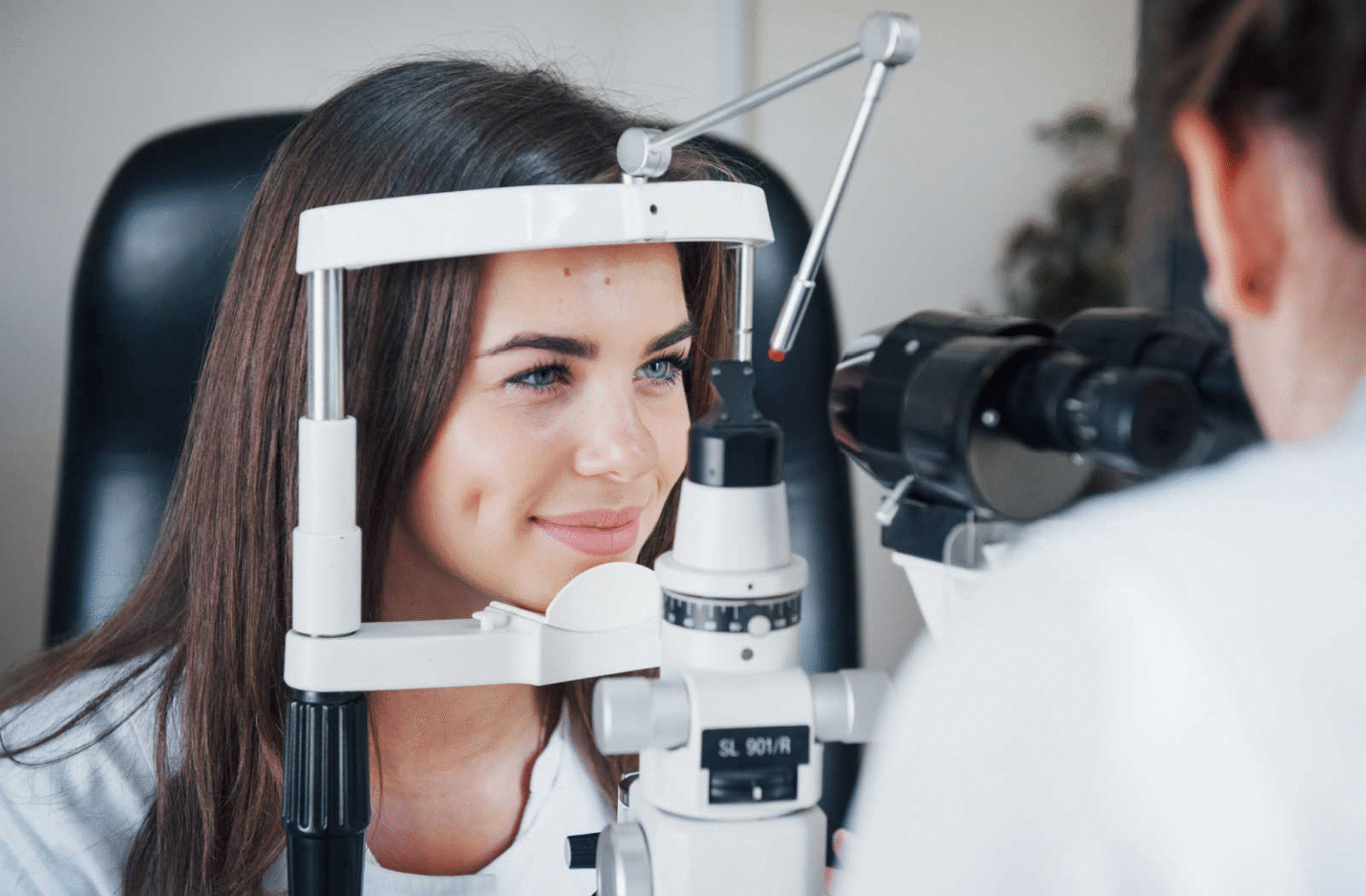

Our eyes are among the most important organs in our body, yet we often take them for granted. Clear vision affects almost every aspect of daily life—from reading and driving to recognizing faces and enjoying nature. Eye exams are crucial for maintaining eye health, but many people ask, “How often should you get an eye exam?” The answer isn’t one-size-fits-all, and it depends on age, health, lifestyle, and family history. In this article, we’ll explore everything you need to know about eye exams, why they matter, and how to create a schedule that’s right for you.
Why Eye Exams Are Important
Eye exams are more than just checking if you need glasses or contact lenses. They are an essential tool for detecting early signs of eye diseases and health issues. Some common problems that an eye exam can detect include:
- Refractive errors: Nearsightedness, farsightedness, and astigmatism can affect vision clarity.
- Cataracts: Clouding of the eye’s lens that can lead to blurred vision.
- Glaucoma: A condition that damages the optic nerve and can cause irreversible vision loss.
- Macular degeneration: Age-related degeneration of the central part of the retina, affecting sharp vision.
- Diabetic retinopathy: Damage to the retina caused by high blood sugar levels in people with diabetes.
- Hypertension-related changes: High blood pressure can sometimes be detected through changes in the blood vessels in the eyes.
Many eye conditions develop gradually and may not have noticeable symptoms in the early stages. This makes regular eye exams essential—they allow for early detection and treatment, which can prevent vision loss.
Factors That Affect How Often You Should Get an Eye Exam
Several factors influence the frequency of eye exams, including your age, health, and lifestyle. Here’s a closer look:
1. Age
- Children: Children’s vision develops rapidly, so regular check-ups are critical. Most experts recommend that children have their first comprehensive eye exam at 6 months old, again at 3 years old, before starting school, and then every 1–2 years during school years.
- Adults (18–40): If you are healthy and have no vision problems, you should get an eye exam every 2 years.
- Adults (41–60): Starting at age 40, the risk of developing eye conditions like presbyopia, cataracts, and glaucoma increases. Eye exams every 1–2 years are recommended.
- Seniors (60+): After age 60, yearly eye exams are highly recommended as the risk of serious eye conditions rises.
2. Health Conditions
Certain health issues can increase the risk of eye problems, requiring more frequent exams:
- Diabetes: People with diabetes should have an eye exam at least once a year to check for diabetic retinopathy.
- High blood pressure: Hypertension can affect the blood vessels in the eyes, so regular monitoring is important.
- Autoimmune or chronic diseases: Conditions like multiple sclerosis or rheumatoid arthritis may affect vision, making regular check-ups essential.
3. Family History
If your family has a history of eye diseases such as glaucoma, macular degeneration, or retinal detachment, you may need more frequent exams. Early detection is especially important for hereditary conditions.
4. Lifestyle and Occupation
Certain lifestyles or jobs may require more frequent eye exams:
- People who spend long hours on computers or digital devices may experience digital eye strain.
- Jobs with potential eye hazards (construction, lab work, or welding) increase the risk of eye injuries.
- Athletes or outdoor workers exposed to the sun should monitor eye health due to UV damage.
Types of Eye Exams
Understanding the different types of eye exams can help you know what to expect and why they are important:
1. Comprehensive Eye Exam
This exam evaluates overall eye health, vision clarity, and detects potential diseases. It includes tests for eye pressure, retina health, and eye muscle function.
2. Vision Screening
Often performed in schools or routine check-ups, this quick test measures visual acuity (how well you see at different distances). It does not replace a comprehensive exam.
3. Contact Lens Exam
If you wear contacts, you need a specialized exam to measure corneal health and ensure your lenses fit correctly.
4. Dilated Eye Exam
Eye drops are used to widen the pupils, allowing the optometrist to examine the retina and optic nerve for signs of disease. This is especially important for detecting glaucoma and diabetic retinopathy.
How Often Should You Really Get an Eye Exam?
While the exact schedule varies based on individual needs, here’s a general guideline:
| Age Group | Recommended Frequency |
|---|---|
| Children (0–18) | 6 months, 3 years, before school, then every 1–2 years |
| Adults (18–39) | Every 2 years |
| Adults (40–54) | Every 1–2 years |
| Adults (55–64) | Every 1–2 years |
| Adults (65+) | Every year |
People with chronic conditions, eye diseases, or a family history of eye problems may need exams more frequently. Your optometrist can personalize a schedule for your needs.
Tips for Healthy Eyes Between Exams
Getting regular eye exams is crucial, but daily habits also play a big role in maintaining eye health:
- Protect your eyes from UV rays: Wear sunglasses that block 100% of UVA and UVB rays.
- Follow the 20-20-20 rule: Every 20 minutes, look at something 20 feet away for 20 seconds to reduce digital eye strain.
- Eat a healthy diet: Foods rich in vitamins A, C, E, and omega-3 fatty acids support eye health.
- Stay hydrated: Proper hydration helps maintain the moisture in your eyes.
- Avoid smoking: Smoking increases the risk of cataracts, macular degeneration, and optic nerve damage.
- Practice good hygiene with contact lenses: Clean and replace lenses as recommended to prevent infections.
Warning Signs You Shouldn’t Ignore
Even if it hasn’t been long since your last eye exam, seek professional care if you notice:
- Blurred or double vision
- Sudden loss of vision or flashes of light
- Eye pain or redness
- Frequent headaches linked to vision
- Difficulty seeing at night
Early detection can save your vision.
FAQs
1. Can I skip an eye exam if I don’t wear glasses?
Even if you have perfect vision, an eye exam can detect hidden health issues like glaucoma, high blood pressure, or diabetes. Skipping exams can delay treatment for serious conditions.
2. How long does a typical eye exam take?
A comprehensive eye exam usually takes 45–60 minutes, while a routine vision screening may take 10–15 minutes.
3. Do children need more frequent eye exams than adults?
Yes, children’s eyes develop quickly, and early detection of vision problems is critical for learning and development.
4. Can an eye exam detect other health problems?
Yes, eye exams can sometimes reveal signs of diabetes, high blood pressure, high cholesterol, and neurological conditions.
5. Are there symptoms that indicate I need an eye exam sooner?
Yes. Sudden vision changes, eye pain, double vision, floaters, or flashes of light are warning signs that require immediate attention.
Final Thoughts
Regular eye exams are an investment in your long-term health and quality of life. How often you should get an eye exam depends on your age, health, family history, and lifestyle, but the general rule is: don’t wait for problems to appear. Early detection is the best way to prevent vision loss and maintain clear, healthy eyesight for years to come.
Making eye exams a routine part of your healthcare schedule is not just about seeing clearly—it’s about protecting your overall health. Schedule your next eye exam and make your eyes a priority.