




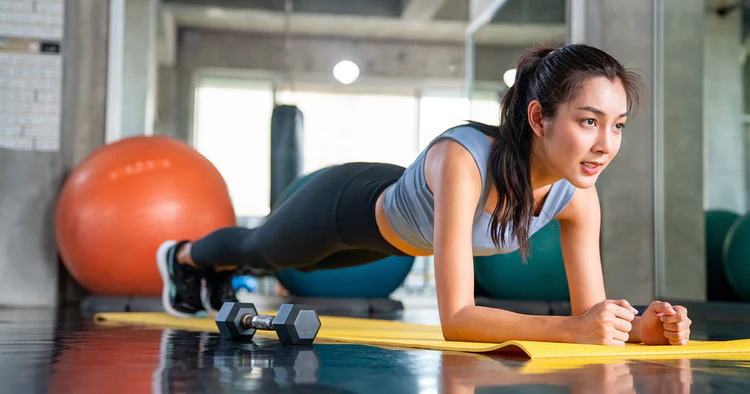

Many women believe that strength training is only for bodybuilders or athletes. Some worry that lifting weights will make them look bulky. Others feel nervous about entering the weight section at the gym. But the truth is simple: a strength training program for women is one of the best things you can do for your body, your health, and your confidence.
- Why Strength Training Is Important for Women
- 1. Builds Lean Muscle
- 2. Boosts Metabolism
- 3. Supports Bone Health
- 4. Improves Mental Health
- 5. Increases Confidence
- What Is a Strength Training Program for Women?
- Beginner Strength Training Program for Women
- How to Choose the Right Weight
- Progression: How to Get Stronger Over Time
- Common Mistakes Women Make in Strength Training
- Strength Training at Home vs. Gym
- Nutrition Tips for Women Doing Strength Training
- How Long Until You See Results?
- Strength Training and Hormones
- Building Confidence Through Strength
Strength training is not just about building muscles. It is about building strength, energy, balance, and long-term health. In this article, we will explain everything in an easy and practical way so you can feel confident starting your own program.
Why Strength Training Is Important for Women
Strength training offers many benefits for women of all ages. It is not only about appearance — it is about feeling strong and capable in everyday life.
1. Builds Lean Muscle
Women naturally have lower testosterone levels than men. This means you will not “bulk up” easily. Instead, strength training helps build lean, toned muscle that gives your body a firm and healthy shape.
2. Boosts Metabolism
Muscle burns more calories than fat, even when you are resting. By increasing muscle mass, your body becomes more efficient at burning calories throughout the day.
3. Supports Bone Health
As women age, bone density can decrease, especially after menopause. Strength training helps strengthen bones and reduce the risk of osteoporosis.
4. Improves Mental Health
Exercise releases endorphins, also known as “feel-good hormones.” Strength training can reduce stress, anxiety, and even symptoms of depression.
5. Increases Confidence
There is something powerful about lifting heavier weights than you thought you could. It builds physical strength and mental strength at the same time.
What Is a Strength Training Program for Women?
A strength training program is a planned workout routine designed to improve muscle strength and endurance. It usually includes exercises that target different muscle groups such as:
- Legs
- Glutes
- Back
- Chest
- Shoulders
- Arms
- Core
A good program focuses on balance. Instead of training only one part of the body, it works the entire body over the week.
Beginner Strength Training Program for Women
If you are just starting, keep it simple. You do not need complicated machines or heavy weights in the beginning. Start with 3 days per week and allow rest days between workouts.
Day 1: Lower Body
- Squats – 3 sets of 10–12 reps
- Lunges – 3 sets of 10 reps each leg
- Glute bridges – 3 sets of 12 reps
- Calf raises – 3 sets of 15 reps
Day 2: Upper Body
- Push-ups (modified if needed) – 3 sets of 8–10 reps
- Dumbbell shoulder press – 3 sets of 10 reps
- Bent-over rows – 3 sets of 10 reps
- Bicep curls – 3 sets of 12 reps
- Tricep dips – 3 sets of 10 reps
Day 3: Full Body + Core
- Deadlifts – 3 sets of 8–10 reps
- Step-ups – 3 sets of 10 reps each leg
- Plank – Hold for 30–45 seconds
- Russian twists – 3 sets of 15 reps
- Mountain climbers – 3 sets of 20 seconds
Rest 30–60 seconds between sets.
How to Choose the Right Weight
A common question women ask is: “How heavy should I lift?”
Choose a weight that feels challenging by the last 2 reps but still allows you to keep good form. If it feels too easy, increase the weight slightly. If you cannot finish your set with proper form, reduce the weight.
Remember: quality is more important than lifting heavy.
Progression: How to Get Stronger Over Time
Your body adapts to exercise. To keep improving, you need to challenge yourself gradually. This is called progressive overload.
You can progress by:
- Increasing weight
- Adding more reps
- Adding another set
- Reducing rest time
Small improvements each week lead to big results over time.
Common Mistakes Women Make in Strength Training
1. Lifting Too Light
Many women are afraid of lifting heavy weights. But using very light weights will not build strength effectively.
2. Skipping Rest Days
Rest is when your muscles repair and grow. Overtraining can cause injury and fatigue.
3. Focusing Only on Cardio
Cardio is good for heart health, but it does not build muscle like strength training does. A balanced routine is best.
4. Poor Nutrition
Your body needs protein and healthy nutrients to build muscle. Eat balanced meals with protein, vegetables, healthy fats, and whole grains.
Strength Training at Home vs. Gym
Both options are good. It depends on your comfort and lifestyle.
At Home:
- Use dumbbells, resistance bands, or bodyweight
- Saves time
- Great for beginners
At the Gym:
- Access to more equipment
- Easier to increase weights
- Motivating environment for some people
The best program is the one you can stay consistent with.
Nutrition Tips for Women Doing Strength Training
Exercise alone is not enough. Nutrition plays a big role.
1. Eat Enough Protein
Protein helps repair and build muscle. Good sources include:
- Eggs
- Chicken
- Fish
- Beans
- Greek yogurt
- Tofu
2. Stay Hydrated
Drink plenty of water before and after workouts.
3. Do Not Starve Yourself
Eating too little can slow down your progress and affect hormones.
How Long Until You See Results?
Most women start noticing strength improvements within 2–4 weeks. Visible changes in muscle tone usually appear after 6–8 weeks of consistent training.
Remember, everyone’s body is different. Focus on how you feel — stronger, more energetic, more confident — not just the scale.
Strength Training and Hormones
Strength training can actually help balance hormones. It may improve insulin sensitivity, reduce stress hormones, and support overall health. For women dealing with hormonal issues, strength training can be especially helpful when combined with a healthy diet and proper sleep.
Building Confidence Through Strength
Strength training is not only physical. It changes your mindset.
You begin to:
- Believe in your abilities
- Feel stronger in daily life
- Improve posture
- Stand taller and more confidently
It teaches patience and discipline. Progress does not happen overnight, but every workout makes you stronger.
Final Thoughts
A strength training program for women is one of the most powerful tools for health and self-confidence. It is not about becoming bulky. It is about becoming strong, capable, and healthy.
Start small. Stay consistent. Be patient with yourself.
Your future self will thank you.
Frequently Asked Questions (FAQs)
1. Will strength training make women bulky?
No. Women do not have enough testosterone to build large bulky muscles easily. Strength training helps create a toned and lean appearance.
2. How many days per week should women do strength training?
Beginners can start with 2–3 days per week. More advanced individuals can train 4–5 days depending on their goals and recovery.
3. Can women over 40 do strength training?
Yes, absolutely. In fact, it is highly recommended. It helps protect bone density, maintain muscle mass, and improve overall health as women age.
4. Do I need supplements for strength training?
Supplements are not necessary for beginners. A balanced diet with enough protein is usually enough. Protein powder can be helpful if you struggle to meet protein needs through food.
5. Is cardio still important if I do strength training?
Yes. Cardio supports heart health. A combination of strength training and moderate cardio creates a well-balanced fitness routine.