




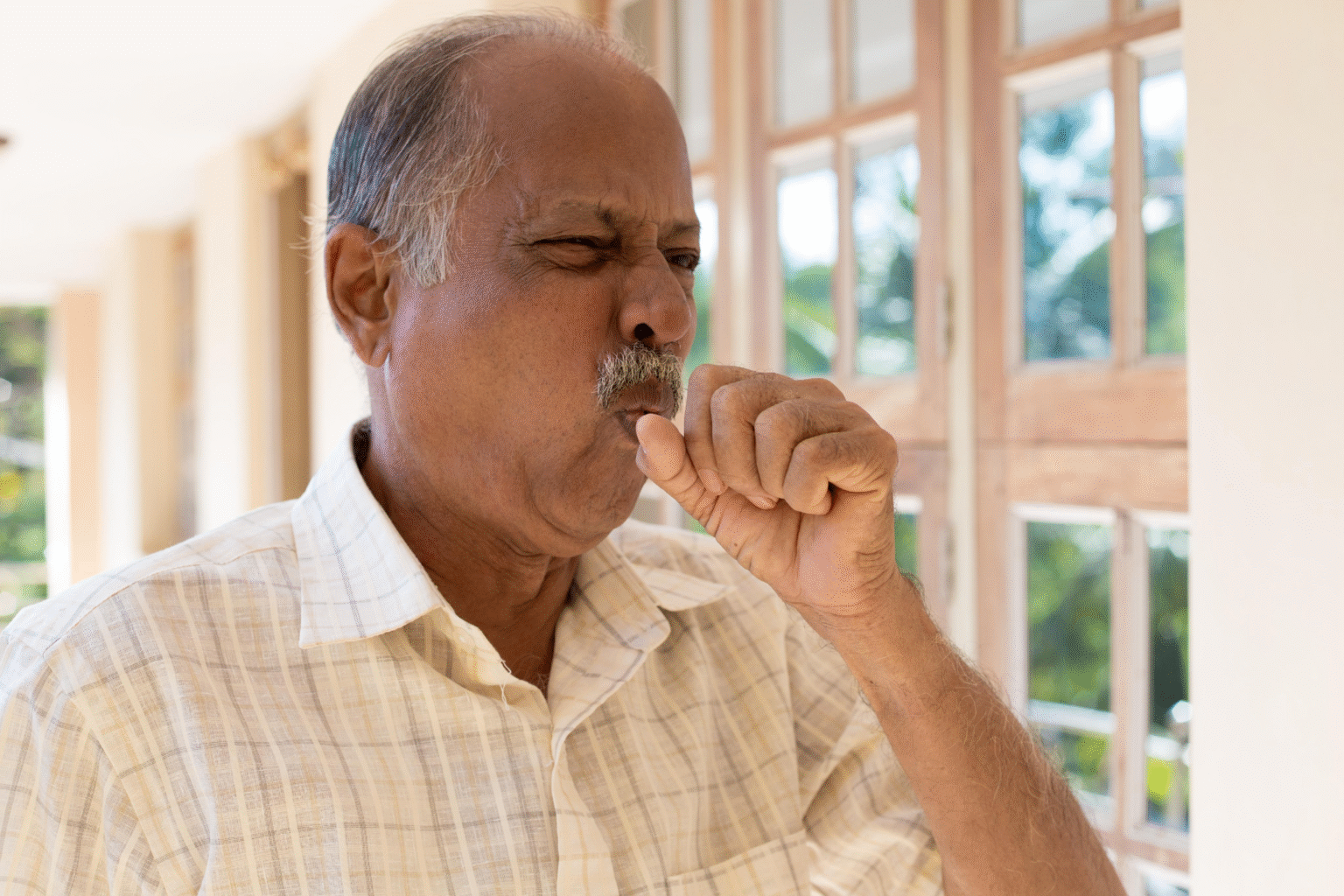

Chronic bronchitis is a long-term lung condition that affects millions of people around the world. It is a type of chronic obstructive pulmonary disease (COPD), a group of diseases that block airflow and make breathing difficult. Unlike a simple cold or temporary cough, chronic bronchitis does not go away quickly. It develops slowly and can last for years.
- What Is Chronic Bronchitis?
- 1. Persistent Cough (The Most Common Symptom)
- 2. Excessive Mucus Production
- 3. Shortness of Breath
- 4. Wheezing
- 5. Chest Discomfort or Tightness
- 6. Fatigue (Feeling Very Tired)
- 7. Frequent Respiratory Infections
- 8. Swelling in Ankles, Feet, or Legs (Advanced Stage)
- Early Symptoms:
- Advanced Symptoms:
- 1. Smoking
- 2. Air Pollution
- 3. Dust and Chemicals
- 4. Repeated Lung Infections
- 1. What is the first symptom of chronic bronchitis?
- 2. Is chronic bronchitis the same as asthma?
- 3. Can chronic bronchitis be cured?
- 4. How serious is chronic bronchitis?
- 5. Does chronic bronchitis get worse with age?
Understanding the symptoms of chronic bronchitis is very important. Early recognition can help a person get medical treatment sooner and prevent the condition from getting worse. In this article, we will explain everything in simple and clear language so that anyone can understand it.
What Is Chronic Bronchitis?
Before we talk about symptoms, let’s understand what chronic bronchitis actually is.
Inside your lungs, there are air tubes called bronchial tubes. These tubes carry air in and out of your lungs. When these tubes become inflamed and swollen for a long time, it is called chronic bronchitis. The inflammation causes thick mucus to build up, which blocks the airways and makes breathing harder.
Doctors usually diagnose chronic bronchitis when a person has a cough with mucus for at least three months a year, for two consecutive years.
Main Symptoms of Chronic Bronchitis
The symptoms of chronic bronchitis usually develop slowly. Many people ignore the early signs, thinking it is just a smoker’s cough or seasonal allergy. However, the symptoms gradually become more noticeable.
Let’s explore the most common ones.
1. Persistent Cough (The Most Common Symptom)
The most noticeable symptom is a long-lasting cough. This cough does not go away after a few days. It continues for months.
People often call it a “smoker’s cough” because smoking is one of the main causes of chronic bronchitis. The cough is usually worse in the morning. Over time, it may become present throughout the day.
This cough happens because the body is trying to clear the mucus that builds up inside the airways.
2. Excessive Mucus Production
Another key symptom is producing a lot of mucus (also called phlegm or sputum). The mucus may be:
- Clear
- White
- Yellow
- Green
When the bronchial tubes are irritated, they produce more mucus than normal. The body cannot clear it easily, so it builds up and causes blockage.
If the mucus becomes thicker or changes color, it may be a sign of infection.
3. Shortness of Breath
Shortness of breath is another major symptom of chronic bronchitis. At first, it may only happen during physical activity, like climbing stairs or walking fast.
As the condition worsens, breathing becomes difficult even during simple tasks like dressing, cooking, or light walking.
People often describe it as:
- Feeling like they cannot get enough air
- Tightness in the chest
- Needing to breathe harder than usual
This happens because the airways are narrowed and blocked by inflammation and mucus.
4. Wheezing
Wheezing is a high-pitched whistling sound when breathing. It happens because air is forced through narrowed airways.
You might hear wheezing:
- When breathing out
- During physical activity
- At night
Wheezing is common in people with chronic bronchitis because their airways are constantly inflamed.
5. Chest Discomfort or Tightness
Some people feel tightness or mild pain in their chest. It may feel heavy or uncomfortable.
This symptom happens because:
- The lungs are working harder to move air.
- Constant coughing strains chest muscles.
Chest discomfort should always be checked by a doctor to rule out heart problems.
6. Fatigue (Feeling Very Tired)
Breathing requires energy. When someone has chronic bronchitis, their body works harder just to breathe.
This can lead to:
- Constant tiredness
- Low energy
- Difficulty completing daily tasks
Even small activities may feel exhausting.
7. Frequent Respiratory Infections
People with chronic bronchitis often get:
- Colds
- Flu
- Lung infections
Because their lungs are already irritated and weak, infections can happen more easily and last longer.
Each infection may worsen the symptoms.
8. Swelling in Ankles, Feet, or Legs (Advanced Stage)
In more serious cases, chronic bronchitis can affect the heart. This may cause swelling in:
- Ankles
- Feet
- Legs
This happens because the heart struggles to pump blood efficiently due to lung problems.
This is a serious sign and needs medical attention.
Early Symptoms vs. Advanced Symptoms
It is helpful to know how symptoms change over time.
Early Symptoms:
- Mild cough
- Light mucus
- Slight shortness of breath during exercise
Advanced Symptoms:
- Constant cough
- Thick mucus
- Severe breathing difficulty
- Fatigue
- Swelling in lower body
- Blue tint on lips or fingernails (lack of oxygen)
Early treatment can slow down the progression of the disease.
What Causes Chronic Bronchitis?
Understanding the causes can help explain why symptoms develop.
The main causes include:
1. Smoking
Smoking is the number one cause. Cigarette smoke damages the airways and increases mucus production.
2. Air Pollution
Long-term exposure to polluted air can irritate the lungs.
3. Dust and Chemicals
People who work in factories, mines, or chemical industries may inhale harmful particles.
4. Repeated Lung Infections
Frequent infections can weaken the airways over time.
When Should You See a Doctor?
You should see a doctor if:
- Your cough lasts more than three weeks
- You cough up blood
- You have severe shortness of breath
- You have frequent lung infections
- Your symptoms interfere with daily life
Early diagnosis can prevent serious complications.
How Chronic Bronchitis Affects Daily Life
Living with chronic bronchitis can be challenging.
Simple tasks like:
- Walking
- Cleaning
- Climbing stairs
may become difficult.
Many people feel frustrated or anxious because they cannot breathe easily. Over time, it can affect emotional health as well.
Support from family, lifestyle changes, and medical treatment can greatly improve quality of life.
Can Symptoms Get Worse?
Yes. Chronic bronchitis symptoms can worsen suddenly. This is called an “exacerbation.”
Triggers include:
- Cold weather
- Infections
- Smoke exposure
- Air pollution
During flare-ups, symptoms like coughing and breathlessness become more severe.
Immediate treatment is important during these times.
How to Manage Symptoms
While chronic bronchitis cannot be completely cured, symptoms can be managed.
Helpful steps include:
- Quitting smoking
- Avoiding polluted air
- Using prescribed inhalers
- Exercising gently
- Drinking enough water to thin mucus
- Getting flu and pneumonia vaccines
Healthy lifestyle choices can slow disease progression.
Emotional Impact of Chronic Bronchitis
Many people focus only on physical symptoms. However, chronic bronchitis can also cause:
- Anxiety
- Depression
- Social isolation
Difficulty breathing can be scary. It is important to talk openly with healthcare providers and seek support when needed.
Final Thoughts
The symptoms of chronic bronchitis often start slowly but can become serious over time. A persistent cough with mucus is the most common sign. Other symptoms include shortness of breath, wheezing, chest tightness, fatigue, and frequent infections.
If you or someone you know experiences these symptoms for a long time, it is important to seek medical advice. Early treatment can make a big difference.
Taking care of your lungs today can protect your health in the future.
Frequently Asked Questions (FAQs)
1. What is the first symptom of chronic bronchitis?
The first and most common symptom is a long-lasting cough that produces mucus. It usually lasts for several months and keeps coming back each year.
2. Is chronic bronchitis the same as asthma?
No. Although both cause breathing problems, they are different conditions. Chronic bronchitis is usually caused by long-term irritation like smoking, while asthma often involves allergic reactions and airway sensitivity.
3. Can chronic bronchitis be cured?
There is no complete cure, but treatment can control symptoms and slow down the disease. Quitting smoking is the most important step.
4. How serious is chronic bronchitis?
It can become serious if left untreated. Over time, it can lead to severe breathing problems and heart complications. Early management improves quality of life.
5. Does chronic bronchitis get worse with age?
Yes, symptoms often worsen over time, especially if the person continues smoking or is exposed to lung irritants. Proper care can help slow progression.