




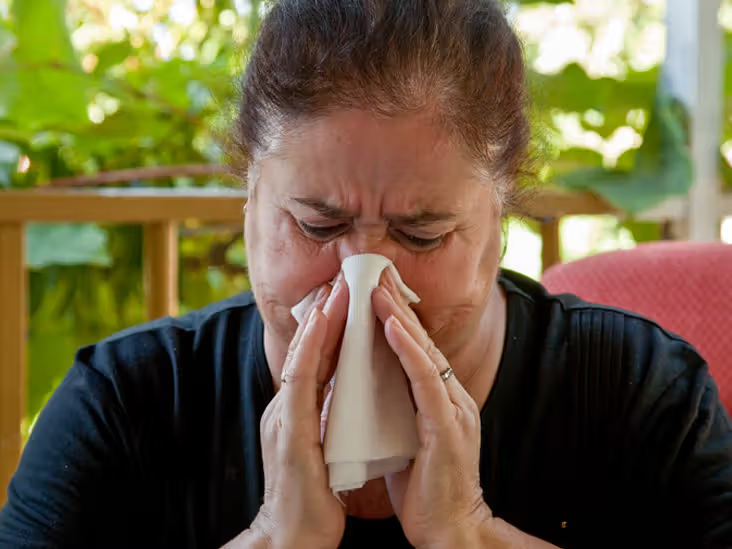

Seasonal allergies, sometimes called hay fever or allergic rhinitis, are a common problem affecting millions of adults worldwide. Unlike a cold, which is caused by a virus, seasonal allergies occur when your immune system overreacts to harmless substances in the environment, such as pollen from trees, grasses, and weeds. While these allergies can affect anyone, adults often experience them differently than children, and recognizing the symptoms early can make a big difference in managing them.
- What Are Seasonal Allergies?
- Common Symptoms of Seasonal Allergies in Adults
- 1. Sneezing and Runny Nose
- 2. Nasal Congestion
- 3. Itchy Eyes, Nose, and Throat
- 4. Fatigue and Weakness
- 5. Headaches and Sinus Pressure
- 6. Coughing and Postnasal Drip
- 7. Skin Reactions
- Why Symptoms Differ in Adults
- Triggers of Seasonal Allergies
- Practical Tips for Relief
- When to See a Doctor
- 5 Frequently Asked Questions (FAQs)
- Conclusion
In this article, we’ll explore the most common symptoms of seasonal allergies in adults, what triggers them, and practical tips for relief. We’ll also answer some frequently asked questions to give you a complete understanding of this condition.
What Are Seasonal Allergies?
Seasonal allergies are caused by an overactive immune system responding to pollen or mold spores that are present during certain times of the year. For example, tree pollen is more common in spring, grass pollen in late spring to early summer, and weed pollen in fall. When your body mistakes these harmless particles as threats, it releases histamines, chemicals that cause inflammation and many of the classic allergy symptoms.
Unlike chronic conditions, seasonal allergies come and go depending on exposure to these allergens. Understanding your triggers is key to preventing or reducing the severity of symptoms.
Common Symptoms of Seasonal Allergies in Adults
Seasonal allergies can vary in intensity, but there are several typical symptoms adults often experience. Recognizing these signs can help you distinguish allergies from other conditions, such as the common cold or a sinus infection.
1. Sneezing and Runny Nose
Frequent sneezing is one of the most obvious signs of seasonal allergies. Adults may notice sudden sneezing fits, especially in the morning or after being outdoors. A clear, watery nasal discharge often accompanies sneezing, which helps distinguish allergies from a cold, where nasal discharge is usually thicker and yellowish.
2. Nasal Congestion
Alongside sneezing and a runny nose, many adults experience nasal congestion. The nasal passages become swollen due to inflammation caused by histamines. This congestion can make it difficult to breathe through the nose, and sometimes it leads to mouth breathing, snoring, or poor sleep at night.
3. Itchy Eyes, Nose, and Throat
Histamines not only affect your nose but also your eyes and throat. Adults with seasonal allergies often experience itchy, watery eyes, and irritation in the throat and roof of the mouth. This symptom is sometimes mistaken for an eye infection, but allergy-related itchiness usually occurs in both eyes without redness or discharge beyond tearing.
4. Fatigue and Weakness
Allergy symptoms don’t just affect your nose and throat—they can also make you feel tired. Constant congestion, difficulty sleeping, and the body’s immune response to allergens can lead to fatigue. Adults may feel weak or less focused at work or in daily activities, which is often overlooked as a symptom of seasonal allergies.
5. Headaches and Sinus Pressure
Inflammation from allergies can affect the sinuses, causing pressure and pain in the forehead, cheeks, and around the eyes. Adults with sinus-related allergy symptoms may also experience mild headaches or a feeling of fullness in the face, which can worsen if left untreated.
6. Coughing and Postnasal Drip
Allergies often trigger a persistent cough caused by postnasal drip—mucus that runs down the back of the throat. This can lead to throat irritation and even hoarseness. Unlike a cough from a cold, an allergy-related cough is usually dry and doesn’t involve fever or other signs of infection.
7. Skin Reactions
Though less common, some adults may develop skin symptoms such as rashes, hives, or eczema flare-ups. These symptoms occur when histamines affect the skin, leading to redness, itching, or swelling. While not everyone experiences this, it’s an important symptom to note if it occurs alongside more classic allergy signs.
Why Symptoms Differ in Adults
Adults may experience seasonal allergies differently from children due to changes in the immune system and exposure history. Some adults who never had allergies as children may develop them later in life. Others may notice that symptoms are milder or more severe depending on stress, health conditions, or environmental exposure.
It’s also important to note that adult allergies can overlap with other conditions like sinus infections or asthma. If symptoms are persistent or severe, it’s a good idea to consult a healthcare provider for accurate diagnosis and treatment.
Triggers of Seasonal Allergies
Understanding what triggers your seasonal allergies can help prevent symptoms or reduce their severity. Common triggers include:
- Tree pollen – Typically during spring (March to May)
- Grass pollen – Late spring to early summer (May to July)
- Weed pollen – Late summer to fall (August to October)
- Mold spores – Can occur year-round, but especially in damp areas
- Dust and pet dander – Though not seasonal, these can worsen allergy symptoms
Keeping track of local pollen counts and minimizing exposure during peak seasons can make a big difference in how your body reacts.
Practical Tips for Relief
Managing seasonal allergies involves a combination of lifestyle changes, environmental control, and, when necessary, medications. Here are some practical steps adults can take:
- Limit Exposure – Stay indoors when pollen counts are high, usually mid-morning and early evening.
- Keep Windows Closed – Use air conditioning to filter indoor air and reduce pollen entry.
- Shower and Change Clothes – After being outside, remove pollen from skin and hair.
- Use Saline Nasal Rinses – Helps flush out pollen and relieve congestion.
- Over-the-Counter Medications – Antihistamines, decongestants, and eye drops can reduce symptoms.
- Consult a Doctor – For persistent or severe allergies, prescription medications or allergy shots (immunotherapy) may be recommended.
When to See a Doctor
While seasonal allergies are usually manageable, you should seek medical advice if you experience:
- Severe or persistent congestion
- Breathing difficulties or wheezing
- Sinus infections that do not improve
- Symptoms that significantly affect daily life
A doctor can help identify triggers, suggest appropriate medications, and rule out other conditions like chronic sinusitis or asthma.
5 Frequently Asked Questions (FAQs)
1. Can adults develop seasonal allergies later in life?
Yes, adults can develop seasonal allergies even if they never had them as children. Changes in the immune system, new environmental exposures, or increased sensitivity to allergens can trigger adult-onset allergies.
2. How can I tell the difference between allergies and a cold?
Allergy symptoms usually include clear, watery nasal discharge, sneezing, itchy eyes, and no fever. Cold symptoms often involve thicker mucus, body aches, fatigue, and sometimes fever.
3. Are seasonal allergies dangerous?
Most seasonal allergies are not life-threatening, but they can affect quality of life and lead to complications like sinus infections, sleep disturbances, or asthma exacerbations.
4. Can diet affect seasonal allergies?
While diet doesn’t cause allergies, certain foods can trigger mild allergic reactions or worsen symptoms for some people, especially those with pollen-food syndrome, where pollen allergies cause reactions to specific fruits or vegetables.
5. Are there long-term treatments for seasonal allergies?
Yes, long-term treatments include allergy shots (immunotherapy) and consistent use of preventive medications. These methods can help reduce sensitivity to allergens over time.
Conclusion
Seasonal allergies in adults are common, but recognizing the symptoms early can make a significant difference in managing them. Sneezing, congestion, itchy eyes, fatigue, and sinus pressure are some of the most frequent signs. Understanding your triggers, making simple lifestyle changes, and using over-the-counter or prescription treatments can greatly reduce discomfort.
By paying attention to your body and taking proactive steps, you can enjoy seasonal changes without letting allergies take over your life. Always consult a healthcare provider if your symptoms are severe or unusual—they can help tailor the best treatment plan for your needs.