





Chronic sinus infection can feel like a never-ending cold that just refuses to go away. If you have been dealing with sinus pressure, blocked nose, headaches, or facial pain for months, you are not alone. Many people struggle with this condition without fully understanding what it is or how to treat it properly.
- What Is a Chronic Sinus Infection?
- Common Symptoms of Chronic Sinus Infection
- Causes of Chronic Sinus Infection
- 1. Nasal Corticosteroid Sprays
- 2. Saline Nasal Irrigation
- 3. Oral or Injectable Steroids
- 4. Antibiotics (When Needed)
- 5. Antihistamines and Allergy Treatment
- 6. Decongestants
- 7. Biologic Medications
- 8. Sinus Surgery
- 1. Steam Inhalation
- 2. Stay Hydrated
- 3. Use a Humidifier
- 4. Warm Compress
- 5. Get Enough Rest
In this article, we will clearly explain everything about treatment for chronic sinus infection in simple and easy language. We will talk about causes, symptoms, medical treatments, home remedies, lifestyle changes, and when you should see a doctor.
Let’s begin.
What Is a Chronic Sinus Infection?
A chronic sinus infection, also called chronic sinusitis, happens when the sinuses stay swollen and inflamed for more than 12 weeks, even after treatment.
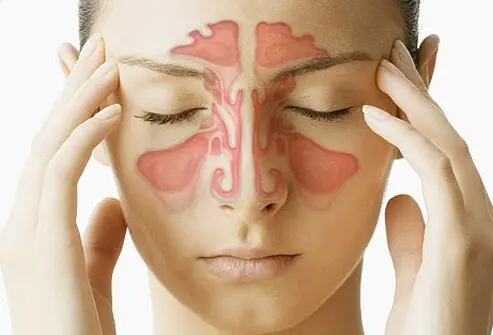
Your sinuses are hollow spaces inside your forehead, cheeks, and around your eyes. They normally produce mucus that drains through small openings in your nose. But when these openings get blocked, mucus builds up. This creates pressure and allows bacteria or fungi to grow, leading to infection.
Unlike a short-term sinus infection (acute sinusitis), chronic sinus infection lasts much longer and may keep coming back.
Common Symptoms of Chronic Sinus Infection
Chronic sinus infection symptoms are often mild but persistent. They include:
- Stuffy or blocked nose
- Thick yellow or green nasal discharge
- Facial pain or pressure
- Headaches
- Postnasal drip (mucus flowing down the throat)
- Bad breath
- Reduced sense of smell or taste
- Ear pressure
- Fatigue
Some people also experience coughing, especially at night.
If these symptoms last for more than three months, it may be chronic sinusitis.
Causes of Chronic Sinus Infection
Understanding the cause is important because the right treatment depends on it.
Common causes include:
- Nasal polyps (small growths in the nose)
- Deviated septum (crooked nasal wall)
- Allergies
- Asthma
- Repeated infections
- Weak immune system
- Smoking or air pollution
- Fungal infections
Sometimes, more than one factor is responsible.
Treatment for Chronic Sinus Infection
There is no single treatment that works for everyone. Doctors usually choose treatment based on the cause and severity. Below are the most effective options.
1. Nasal Corticosteroid Sprays
These sprays reduce inflammation in the sinuses. They help open blocked nasal passages and improve breathing.
Common sprays include:
- Fluticasone
- Mometasone
- Budesonide
They are safe for long-term use when prescribed properly.
2. Saline Nasal Irrigation
This is one of the simplest and safest treatments.
Saline (saltwater) rinses help:
- Remove mucus
- Wash away allergens
- Reduce swelling
- Keep nasal passages moist
You can use a neti pot, squeeze bottle, or saline spray.
Tip: Always use distilled or boiled water to avoid infection.
Many people feel relief after regular daily rinsing.
3. Oral or Injectable Steroids
In severe cases, doctors may prescribe short-term oral steroids. These quickly reduce swelling, especially if nasal polyps are present.
However, they are not used long-term because of side effects.
4. Antibiotics (When Needed)
Antibiotics are only helpful if bacteria are causing the infection.
Chronic sinus infections are often due to inflammation, not bacteria. That’s why antibiotics are not always the first choice.
If prescribed, you may need to take them for 2–4 weeks.
5. Antihistamines and Allergy Treatment
If allergies are the main cause, treating them is very important.
Options include:
- Antihistamine tablets
- Allergy nasal sprays
- Allergy shots (immunotherapy)
Controlling allergies can significantly reduce sinus inflammation.
6. Decongestants
These medicines reduce nasal swelling and improve airflow.
But they should only be used short-term (no more than 3–5 days). Overuse can make congestion worse.
7. Biologic Medications
For severe cases with nasal polyps, doctors may recommend newer injectable medicines called biologics. These target specific immune responses that cause inflammation.
They are usually used when other treatments fail.
8. Sinus Surgery
If medications do not work, surgery may be needed.
The most common procedure is Functional Endoscopic Sinus Surgery (FESS).
During surgery, the doctor:
- Removes blockages
- Clears infected tissue
- Opens sinus passages
This allows better drainage and reduces future infections.
Surgery is usually safe and done through the nose without external cuts.
Natural and Home Remedies for Chronic Sinus Infection
While medical treatment is important, home remedies can support healing.
1. Steam Inhalation
Breathing warm steam helps loosen mucus and relieve pressure.
You can:
- Take a hot shower
- Inhale steam from a bowl of hot water
Be careful to avoid burns.
2. Stay Hydrated
Drinking plenty of water keeps mucus thin and easier to drain.
Avoid too much caffeine and alcohol.
3. Use a Humidifier
Dry air can irritate sinuses. A humidifier adds moisture to the air and helps reduce inflammation.
Clean it regularly to prevent mold growth.
4. Warm Compress
Placing a warm towel on your face can reduce sinus pressure and pain.
5. Get Enough Rest
Your immune system works better when you sleep well.
Lifestyle Changes That Help
Small daily habits can prevent sinus infections from getting worse.
- Avoid smoking and secondhand smoke
- Reduce exposure to pollution
- Manage allergies
- Wash hands often
- Use air purifiers if needed
- Exercise regularly
These changes support long-term sinus health.
When Should You See a Doctor?
You should consult a doctor if:
- Symptoms last more than 12 weeks
- Pain becomes severe
- You develop swelling around the eyes
- You have high fever
- Vision changes occur
Ignoring chronic sinus infection can lead to complications.
Early treatment prevents long-term damage.
Can Chronic Sinus Infection Be Cured?
Many people ask this question.
The truth is, chronic sinusitis can often be controlled very well. Some people recover completely, especially after proper treatment or surgery.
Others may need long-term management.
The key is finding the root cause and treating it correctly.
Emotional Impact of Chronic Sinus Infection
Living with constant congestion and pressure can be frustrating. It may affect sleep, mood, and productivity.
If you feel tired or stressed because of ongoing sinus problems, talk to your doctor. Treating the condition can greatly improve quality of life.
You deserve to breathe comfortably.
Conclusion
Treatment for chronic sinus infection depends on the cause, severity, and individual health condition. Options range from simple saline rinses and nasal sprays to advanced medications and surgery.
The most important step is proper diagnosis. Once you know the cause, treatment becomes more effective.
If you have been suffering for months, don’t ignore it. Relief is possible with the right care.
Frequently Asked Questions (FAQs)
1. How long does chronic sinus infection last?
Chronic sinus infection lasts 12 weeks or longer. Without proper treatment, it may continue for months or even years.
2. Can chronic sinus infection go away on its own?
It is unlikely to completely go away without treatment. Symptoms may improve temporarily, but medical care is usually needed for long-term relief.
3. Are antibiotics always needed for chronic sinus infection?
No. Antibiotics only help if bacteria are involved. Many chronic cases are caused by inflammation or allergies.
4. Is sinus surgery painful?
Sinus surgery is usually done with anesthesia and is not painful during the procedure. Recovery discomfort is generally mild and manageable.
5. What is the best home remedy for chronic sinus infection?
Saline nasal irrigation is one of the most effective and safest home remedies. Staying hydrated and using steam inhalation also help.